
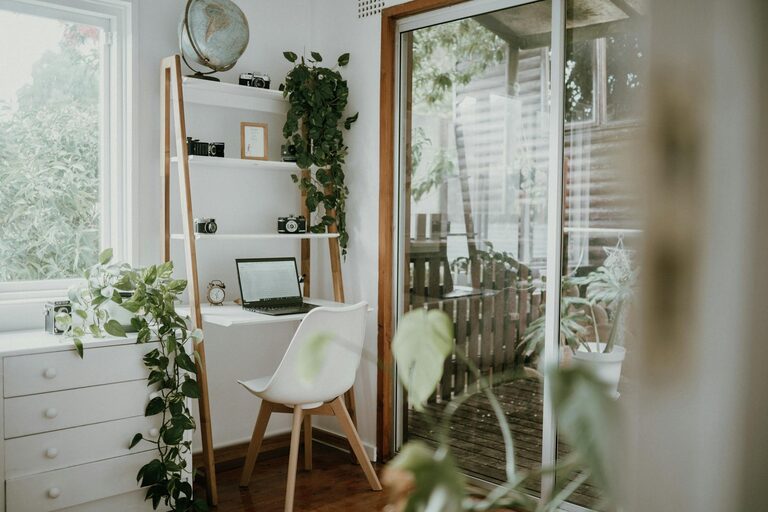
Creating a relaxing home workspace is essential for anyone looking to boost productivity while working remotely or studying. A well-designed workspace not only promotes focus but also helps reduce stress and improve overall well-being. In this post, we’ll share practical tips and ideas to transform your home workspace into a calm, inviting place where you can work comfortably and efficiently.
Why a Relaxing Workspace Matters
When you work from home, the environment you create can have a big impact on how well you focus and how motivated you feel. A cluttered or uncomfortable space can increase distractions and stress, while a relaxing space encourages concentration and a positive mindset. By focusing on comfort, organization, and personal touches, you can build a space that supports your daily tasks and enhances your work experience.
Choose the Right Location
Start by selecting the best spot in your home for your workspace. Ideally, this should be a quiet area with minimal foot traffic. If possible, find a room with natural light—this can help reduce eye strain and boost your mood.
– Consider privacy: A separate room or a corner out of busy areas works best.
– Lighting: Aim for natural light near a window, or use soft, adjustable lighting.
– Noise control: Use noise-cancelling headphones or white noise machines if needed.
Invest in Comfortable Furniture
Ergonomics plays a key role in creating a relaxing and productive space. Choose furniture that supports good posture and minimizes discomfort.
– Supportive chair: Select an adjustable chair with lumbar support.
– Desk height: Make sure your desk allows for comfortable arm positioning.
– Footrest: Consider a footrest for additional comfort, especially if your feet don’t reach the floor.
Organize Your Space to Reduce Clutter
A tidy workspace helps your mind stay clear. Organize supplies and documents so that everything you need is within reach but not overwhelming.
– Use storage solutions: Shelves, drawers, and desk organizers keep essentials neat.
– Weekly clean-up: Set aside time to clear clutter regularly.
– Minimize distractions: Keep only necessary items on your desk.
Add Elements that Promote Relaxation
Incorporate items that help you feel calm and focused without causing distraction.
– Plants: Small indoor plants can improve air quality and add a touch of nature.
– Personal touches: Photos, artwork, or inspiring quotes can boost motivation.
– Aromatherapy: Use subtle scents like lavender or eucalyptus to help reduce stress.
Optimize Technology Setup
Tech tools are crucial, but they can also contribute to stress if not arranged well.
– Ergonomic placement: Position your monitor at eye level to prevent neck strain.
– Cable management: Use clips or ties to keep cords organized.
– Backup power: Consider a surge protector or backup battery for important devices.
Create Boundaries and Routines
To make work hours productive and maintain relaxation, establish clear boundaries.
– Define work hours: Set a schedule and stick to it as much as possible.
– Break reminders: Use timers to encourage regular breaks for stretching or short walks.
– Separate work and leisure: If possible, avoid working in areas where you relax or sleep.
Incorporate Movement and Breaks
Taking breaks and moving throughout the day refreshes your mind and body.
– Stretching: Simple stretches can relieve tension built up from sitting.
– Short walks: Even brief walks indoors or outside increase circulation.
– Deep breathing: Practice breathing exercises to reduce anxiety.
Customize Based on Your Preferences
Everyone works differently. Adjust your workspace so it fits your unique style and needs.
– Lighting preferences: Experiment with warm or cool light bulbs.
– Noise levels: Use music or silence according to what helps you focus.
– Work tools: Arrange equipment and supplies to match your workflow.
Final Thoughts
Creating a relaxing home workspace is a blend of thoughtful design, organization, and self-care practices. It may take some trial and error to find what works best for you, but investing time in setting up a calming environment will pay off in improved productivity and well-being. Remember, the goal is to craft a space where you feel comfortable, focused, and motivated every day.
Start making these changes one step at a time, and enjoy the benefits of a workspace designed with your peace and productivity in mind.