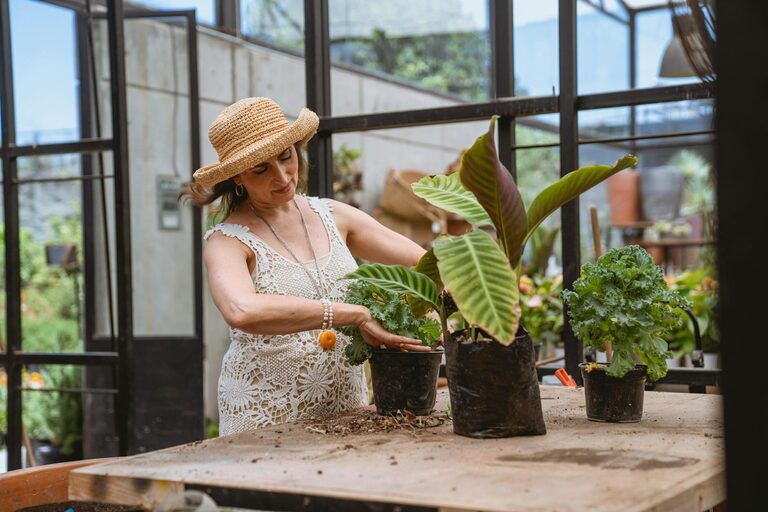
Creating a sustainable home garden is a rewarding way to enjoy fresh produce, support local ecosystems, and reduce your environmental footprint. Whether you have a backyard, a balcony, or a small indoor space, sustainable gardening practices can help you nurture plants year-round while conserving resources and promoting biodiversity.
In this post, we’ll explore practical tips for building and maintaining a sustainable garden throughout all seasons.
Understanding Sustainable Gardening
Sustainable gardening focuses on practices that are environmentally friendly, resource-efficient, and beneficial over the long term. It includes growing plants authentically, improving soil health naturally, conserving water, reducing waste, and encouraging wildlife such as pollinators.
By embracing these principles, you can create a garden that thrives all year, reduces your carbon footprint, and enhances your connection with nature.
Planning Your Garden for Year-Round Success
A successful sustainable garden starts with thoughtful planning.
Choose the Right Plants for Your Climate
Selecting plants that are native or well-adapted to your local climate means they will require less water, fertilizer, and care. Native plants also support local wildlife.
Research your region’s growing zones and seasonal conditions so you can pick vegetables, herbs, and flowers that flourish throughout different times of the year.
Plan for Seasonal Crop Rotation
Crop rotation prevents soil fatigue and pests by alternating plant families in your garden beds each season. For example, follow nitrogen-fixing legumes (like beans) with nitrogen-loving leafy greens to maintain soil fertility naturally.
Allocate Space for Companion Planting
Certain plant combinations improve growth and reduce pests when planted near each other. For instance, marigolds repel harmful insects, while basil enhances the flavor of tomatoes.
Incorporate companion planting to build a resilient and productive garden ecosystem.
Building Healthy Soil Naturally
Good soil is the foundation of any sustainable garden.
Use Compost to Enrich Soil
Compost recycles organic waste like kitchen scraps and garden clippings into nutrient-rich material. Regularly apply compost to improve soil texture, water retention, and fertility.
Consider starting a compost bin or pile to reduce waste and create your own organic fertilizer.
Mulch to Preserve Moisture and Suppress Weeds
Applying mulch—such as straw, wood chips, or shredded leaves—helps retain soil moisture, reduce evaporation, and prevent weed growth. It also gradually breaks down to add organic matter to the soil.
Avoid Synthetic Chemicals
Instead of chemical fertilizers or pesticides, use natural alternatives like neem oil, insecticidal soap, or homemade remedies to protect your plants while preserving soil health and beneficial insects.
Efficient Water Use and Conservation
Water is a precious resource, especially in drought-prone areas.
Collect Rainwater
Set up rain barrels or containers to catch and store rainwater for garden use. This approach reduces reliance on municipal water and taps into a natural source.
Water Plants Wisely
Water your garden early in the morning or late in the afternoon to minimize evaporation. Focus on deep, infrequent watering to encourage strong roots, and use drip irrigation or soaker hoses to deliver water directly to the soil.
Group Plants by Water Needs
Arrange plants with similar moisture requirements together. This makes watering more efficient by avoiding overwatering some plants while underwatering others.
Extending the Growing Season
With a few strategies, you can enjoy fresh produce throughout the year.
Use Season Extenders
Techniques like using cold frames, row covers, or hoop tunnels protect plants from frost and wind, extending the growing season in colder months.
Grow in Containers and Indoor Spaces
Container gardening allows you to bring certain plants indoors or move them to sheltered locations during harsh weather. Herbs, leafy greens, and small vegetables thrive well in pots near sunny windows.
Select Fast-Growing and Hardy Varieties
Opt for seeds and plants known for shorter maturity times and resilience to weather extremes. This way, you can harvest multiple crops in one year.
Supporting Local Wildlife and Biodiversity
A sustainable garden attracts pollinators and beneficial insects, boosting plant health naturally.
Plant a Variety of Flowers and Herbs
Including diverse flowering plants ensures continuous blooms throughout the year, providing pollen and nectar for bees, butterflies, and other pollinators.
Create Habitats and Shelter
Leave some natural areas like brush piles or build small insect hotels to give bees, ladybugs, and butterflies a safe place to live and overwinter.
Minimize Lawn Areas
Replace part of your lawn with native plants or vegetable beds to increase biodiversity and reduce water use.
Reducing Waste in the Garden
Sustainability also means minimizing waste and reusing materials.
Repurpose Household Items
Use old containers as planters, create trellises from sticks or recycled materials, and cover soil with shredded newspaper or cardboard for weed control.
Save Seeds for Next Season
Collect seeds from open-pollinated plants to sow the following year, reducing the need to buy new seeds and preserving plant varieties.
Manage Plant Residues
After harvesting, compost garden residues or chop them into the soil to return nutrients and build healthy soil organic matter.
Troubleshooting Common Challenges
Even the best gardens face challenges. Here are some simple tips:
– Pest Management: Use physical barriers like row covers or handpick pests. Encourage predators like birds by providing feeders.
– Soil Issues: Test soil periodically and adjust pH naturally with garden lime or sulfur if needed.
– Weed Control: Mulch generously and pull weeds early to prevent spreading.
Conclusion
Creating a sustainable home garden throughout the year is an enjoyable and eco-friendly way to connect with nature while providing fresh food and beauty. With careful planning, natural soil care, water conservation, and habitat support, your garden can flourish no matter the season.
Start small, experiment with different plants and techniques, and watch your garden grow into a thriving, sustainable space year after year. Happy gardening!