
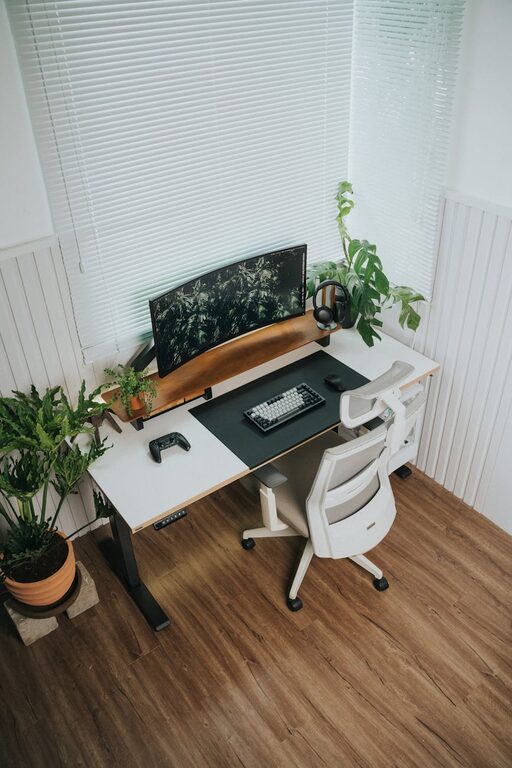
Creating a productive home office environment can make a significant difference in how effectively you work. Whether you’re new to remote work or looking to improve your current setup, small changes can lead to big improvements in focus, comfort, and overall efficiency. Here are some practical tips to help you create a productive space that inspires success.
Choose the Right Location
Where you set up your home office matters a lot. Ideally, find a quiet spot with minimal distractions. This could be a spare room, a corner of your living room, or even a section of your bedroom. The key is to select a space where you can separate work from leisure, helping your mind switch into “work mode” when needed.
Consider these factors when choosing your location:
– Natural light availability
– Noise levels in the area
– Proximity to household activities
– Space for your desk and necessary equipment
Invest in Ergonomic Furniture
Comfort influences productivity more than many realize. Invest in an ergonomic chair and desk that support good posture. A comfortable chair with adjustable height, lumbar support, and good cushioning can reduce strain and prevent discomfort during long work hours.
If space allows, consider these furniture tips:
– Adjustable standing desks to alternate between sitting and standing
– Monitor stands to keep screens at eye level
– Keyboard trays to reduce wrist strain
Optimize Lighting
Good lighting helps reduce eye strain and keeps you alert. Natural light is best, so position your desk near a window if possible. If not, use a mix of overhead lighting and task lighting like a desk lamp to create a well-lit space.
To optimize lighting:
– Avoid direct glare on your computer screen
– Use daylight-simulating bulbs for a natural feel
– Keep lighting even to reduce areas of stark contrast
Keep Your Workspace Organized
Clutter can be distracting and reduce your ability to concentrate. A neat workspace helps clear your mind and keeps your focus sharp. Use storage solutions like shelves, drawer organizers, and desk trays to keep everything in its place.
Try these organization tips:
– Develop a daily habit of tidying up your desk
– Use cable management tools to keep cords under control
– Keep only essential items on your work surface
Minimize Distractions
Distractions can derail your productivity quickly. Identify common distractions in your environment and take steps to minimize them.
Consider these strategies:
– Use noise-canceling headphones or play background music if it helps you focus
– Set clear boundaries with family or roommates during work hours
– Turn off non-work-related notifications on your devices
Personalize Your Space
Adding personal touches can make your workspace more inviting and motivating. Bring in plants, artwork, or meaningful objects that make you feel comfortable and inspired.
Keep it balanced by:
– Avoiding excessive decorations that clutter your desk
– Choosing items that improve mood without distracting you
Maintain Good Air Quality and Temperature
A fresh, comfortable environment supports clear thinking and well-being. Keep your home office well-ventilated by opening windows or using air purifiers when needed. Adjust the room temperature to a comfortable level—not too hot or cold.
Some ideas to improve air and temperature:
– Add indoor plants to help purify the air
– Use fans or heaters as necessary for your comfort
– Take breaks to step outside and get fresh air
Establish a Routine and Set Boundaries
A productive home office isn’t just about the physical space—it’s also about how you use it. Establish a consistent daily routine that includes regular working hours, breaks, and a clear end time. This helps build discipline and prevents work from bleeding into your personal time.
Tips for routine and boundaries:
– Use a calendar or planner to schedule tasks and breaks
– Communicate your work hours with others in your household
– Create a “shutdown” ritual to signal the end of the workday
Utilize Technology Efficiently
Leverage tools and technology to keep your workflow smooth. Reliable internet, updated software, and appropriate hardware all contribute to productivity.
Consider:
– Investing in a fast, stable internet connection
– Using productivity apps to track tasks and deadlines
– Keeping your workspace tech organized and cable-free
Take Regular Breaks
No matter how great your setup is, taking breaks is essential to maintaining productivity. Short breaks throughout the day help reduce fatigue, refresh your mind, and prevent burnout.
Try:
– The Pomodoro Technique: work for 25 minutes, then take a 5-minute break
– Stand up and stretch every hour
– Step away from your desk for meals and fresh air
—
By making thoughtful adjustments to your home office setup and routine, you can create an environment that supports focus, comfort, and productivity every day. Whether it’s choosing the right chair or setting boundaries with those around you, every step helps build a workspace where you can do your best work.